The Wooden Pallets Marketplace: An In-Depth Exploration
In the last few years, the wooden pallets marketplace has gotten considerable attention, not only for its useful applications in shipping and storage however likewise for its capacity in sustainability and recycling. Wooden pallets serve as fundamental tools in logistics, supplying a dependable solution for transferring goods across different industries. This article dives into the significance of wooden pallets, the marketplace characteristics, and the advantages they use to organizations, consumers, and the environment.
Overview of Wooden Pallets
What are Wooden Pallets?
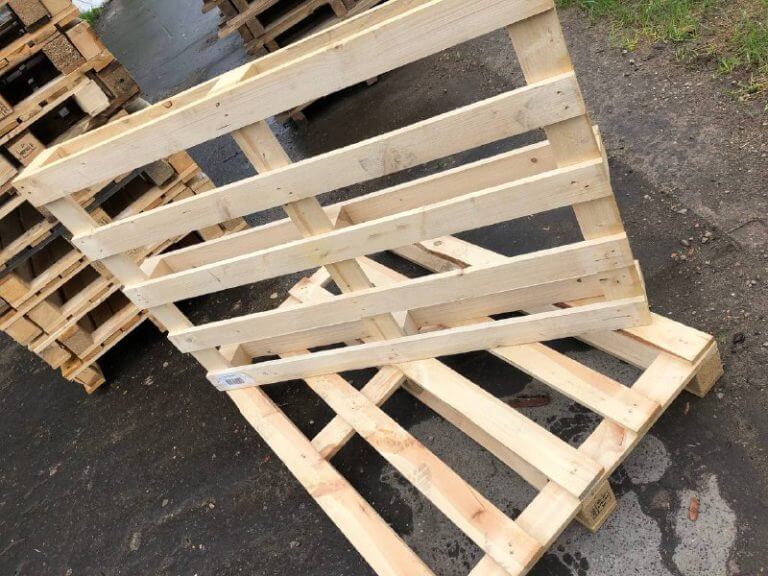
Wooden pallets are flat structures made of lumber, created to support products in a steady way during storage and transport. They are a vital element of the supply chain, helping with the movement of items across markets, from agriculture to pharmaceuticals.
Types of Wooden Pallets
| Type | Description | Typical Uses |
|---|---|---|
| Stringer Pallets | Built utilizing parallel boards (stringers) with top and bottom decks. | General-purpose use |
| Block Pallets | Made with blocks in the corners, enabling for forklifts to raise from all sides. | Sturdy applications |
| Euro Pallets | Standardized pallets used throughout Europe, highlighting harmony in measurements and quality. | European shipping |
| Custom Pallets | Tailored to particular needs, these pallets can differ considerably in style and products. | Specialized shipping |
The Global Wooden Pallets Marketplace
The wooden pallets marketplace is expansive, incorporating numerous stakeholders, including makers, providers, recyclers, and end-users. The worldwide market for wooden pallets was valued at approximately ₤ 20 billion in 2022 and is predicted to grow substantially over the coming years due to increased demand in logistics and e-commerce sectors.
Secret Market Drivers
- Growing E-commerce Sector: As online shopping becomes the norm, the need for effective shipping options, consisting of wooden pallets, is increasing.
- Sustainability Trends: Companies are increasingly adopting eco-friendly practices, favoring wooden pallets due to their renewable nature and recyclability.
- Global Trade Growth: As global trade flourishes, so does the requirement for trusted shipping platforms, further enhancing wooden pallet need.
Market Challenges
While the wooden pallets marketplace is ripe with opportunities, it is not without difficulties:
- Price Fluctuations: Variability in the cost of basic materials can influence pallet prices significantly.
- Regulative Compliance: Adhering to worldwide guidelines concerning bug control (like ISPM 15) can complicate pallet manufacturing and circulation.
- Competitors from Alternative Materials: The rise of plastic and metal pallets may challenge the wooden pallet market share.
Advantages of Wooden Pallets
1. Cost-Effectiveness
Compared to other products, wooden pallets are reasonably economical to produce and preserve. Wooden Pallets Online makes them an attractive choice for services wanting to handle their shipping costs successfully.
2. Sturdiness
Wooden pallets are known for their durability, capable of withstanding considerable weight and misuse. With correct care and maintenance, they can be recycled numerous times.
3. Eco-Friendly
Wooden pallets are eco-friendly, making them a greener choice for shipping requirements. Numerous companies are progressively focusing on sustainable practices, and wooden pallets fit well into this values by providing a renewable resource.
4. Customizability
Producers can easily customize wooden pallets to satisfy particular company requirements, such as size, strength, and style, providing flexibility across different markets.
5. Recyclability
At the end of their life cycle, wooden pallets can be recycled into mulch, biomass fuel, or perhaps repurposed into new products, such as furniture, therefore minimizing waste.
The wooden pallets marketplace represents a blend of custom and development, assisting in global trade while welcoming sustainable practices. As businesses continue to navigate the complexities of logistics, wooden pallets will stay essential players in the supply chain. Their versatility, cost-effectiveness, and environmentally friendly characteristics make them indispensable tools in today's marketplace.
Frequently Asked Questions (FAQ)
1. What is the life expectancy of a wooden pallet?
The life-span of a wooden pallet depends upon its use and care. Usually, a wooden pallet can last in between 5 to 10 years if correctly maintained.
2. Are wooden pallets safe for food storage?
Yes, but it's vital to follow proper practices. Ensure the pallets are compliant with safety standards, such as being heat-treated or fumigated to prevent contamination.
3. Can wooden pallets be repaired?
Yes, wooden pallets can frequently be fixed. Damaged boards can be replaced, and damaged pallets can be reconditioned, extending their lifecycle.
4. What are the benefits of recycling wooden pallets?
Recycling wooden pallets decreases landfill waste, conserves resources, and produces sustainable products. It promotes a circular economy where products are recycled instead of disposed of.
5. How to pick the right type of wooden pallet for my company?
Think about aspects such as the weight and size of the items being carried, storage conditions, and whether you require a standardized or custom service. Consulting with a pallet supplier can also provide valuable insights.
In conclusion, the wooden pallets marketplace not just reflects present industry demands however also highlights a growing commitment to sustainability. Services that take advantage of the advantages of wooden pallets can position themselves as accountable members of the global supply chain, aligning monetary success with ecological stewardship.